
Amazon Prime Days are here (June 23 – 26) !! Here are my favorite ADHD friendly or supportive items for this year. Happy Shopping!!
Colorful Mini Notebooks
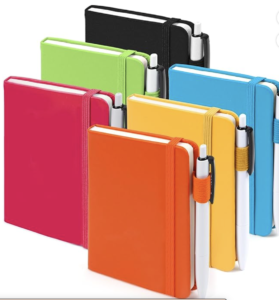 These 3.5” x 5.5” notebooks are great for popping into your pocket, purse,or backpack, to use as a catch all for all of the thoughts and ideas that pop into your brain while you’re out and about. They also can be used for doodling during meetings or phone calls, which helps to keep you focused. And they are so reasonably priced that there is no need for any guilt when you stop using it, and then start another! https://amzn.to/4oDZxU2
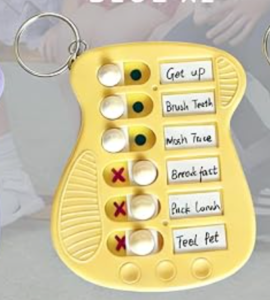
Planner/Reminder Keychains and Luggage Tags
The keychain is a great item for ADHD kids or adults who might forget one or two items for their backpacks. There is room on this key chain to list items, tasks…whatever you need. You can then attach it to your purse to use as a checklist, and consult it before leaving the house. When the task is complete, or you’ve included your item, you can click it to a checkmark on the tag (and that click is a nice dopamine booster!).So if remembering to shut off the lights or turn on the cat feeder is tough on busy mornings, this can help you! https://amzn.to/4vonJfI
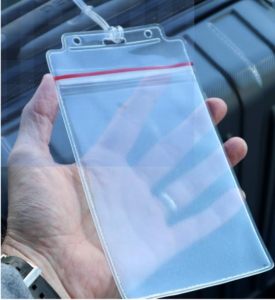
For younger kids, or more visual folks, these luggage tags can be given the same job of supporting working memory! Simply put a picture of your kiddo ready to leave the house, or of the inside of their backpack, and the reminder is right there,hanging on the strap! Works for the inside of adult carrier bags too! https://amzn.to/4fYxVqD
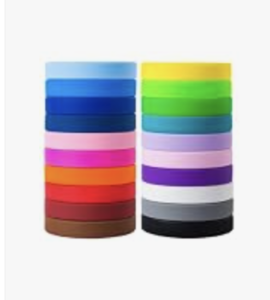
Colorful Rubber Bracelets
Here is an awesome ADHD hack I picked up on the “ADHD Chatter” podcast (highly recommended, BTW)! When there is something that we will need to remember to do later or tomorrow, write it on one of these bracelets, and keep it on until you’ve completed the task. You can write directly on the bracelet or use some medical tape. Wearing something physical is a much more in-your-face reminder than one on your phone. The suggestion that got me was leaving some bracelets that say “empty washing machine” on top of the washer. Pop on the bracelet, and there it will stay until you move the wet clothes to the drier! https://amzn.to/3QXr46u
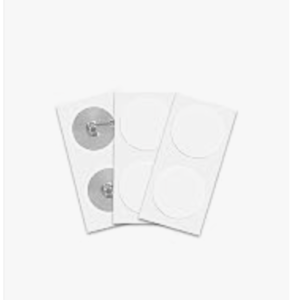
NFC Stickers
This is something I learned about through one of my clients, and although it involves a bit of prep work, once it’s set up it’s brilliant. Did you know that you can set up shortcuts on your phone? (I am referring to iPhone, however I would imagine there’s a way to do this on Android). What that allows you to do is to put a few different actions together under one shortcut. For example, you can build a shortcut that will start a particular motivating playlist at the same time a list of kitchen cleaning tasks pops up. How do the NFC stickers come in? You can start the shortcut by programming your phone to recognize the NFC sticker for that shortcut. So I can put my phone next to the sticker in the kitchen, the playlist pops on, and the list of kitchen tasks opens. Again, a bit of work to get going, but once you do it, it’s a great way to automate your daily stuff! https://amzn.to/4ae16SQ
Wrightslaw: From Emotions to Advocacy: The Special Education Survival Guide  The Wrightslaw website is THE source of information on special education law for laymen (https://www.wrightslaw.com/). This is where you can find out what qualifies for a Section 504 plan, how the IEP process works, and all things legal relating to advocating for your ADHD kiddo. This book contains so much information that you will find useful. Remember, you are your child’s advocate; it is vital for you to inform yourself about their rights. https://amzn.to/4w177L1
Sonic Bomb Alarm Clock
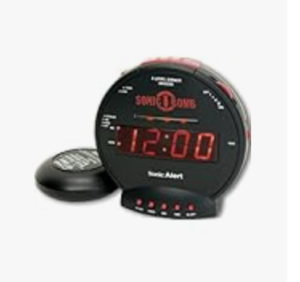
So many parents tell me that their ADHD kiddos cannot be awakened by any alarm clock, and so they must wake their little darlings…multiple times. Or there’s the “I can only be awakened by my phone” line, which of course means you have your phone the night before, for scrolling indefinitely. This alarm clock has a very loud alarm, as well as a vibrator that will cause the bed to shake! I would give this one a try – it seems hard to ignore! https://amzn.to/4xCdh5P
Skylight Calendar
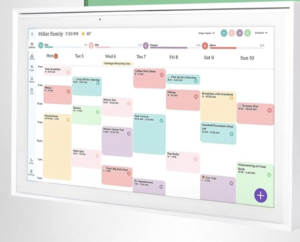 This is a bit pricier than my usual recommendations, but I have so many clients that swear by it, I would be remiss if I didn’t include it. The Skylight Calendar can link together the calendars of the entire family in one place (regardless of what system they are from), so that when you look at Monday, you can see your wife will be late coming home due to a meeting, one child has soccer practice and the other has tutoring. It enables you to plan better. It also helps with the ADHD issue of being unable to see time. By being able to look at all of the blocks that are filled, you will be able to see where you have room to do what you need or want to do. It can also be used for to-do lists, and there is an app for it as well. https://amzn.to/4gt8PQM
Silicone Magnetic Fidget Toys
Choosing fidget toys that help ADHDers focus and stay calm is a very individual matter. Some people need roughness; others like smooth objects. What struck me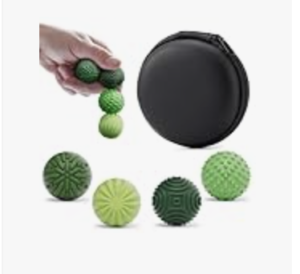 about this particular set is that there is the tactile piece, with each ball having a different texture, but also a magnetic component, so that it can be arranged in lots of different ways. And best of all, it’s SILENT – a huge bonus! Many, many positive reviews for this set, so if you’re looking for a new fidget, you may want to check this one out! https://amzn.to/4uLogXZ
Are there any items that you would like to recommend? I’d love to hear from you!
Disclosure: I am an Amazon Associate, and have an affiliate relationship with Amazon.